 よみうち英語Read the classics by typing
Notes Scene 19: His Father's Visit
You've finished this scene
Notes on this scene
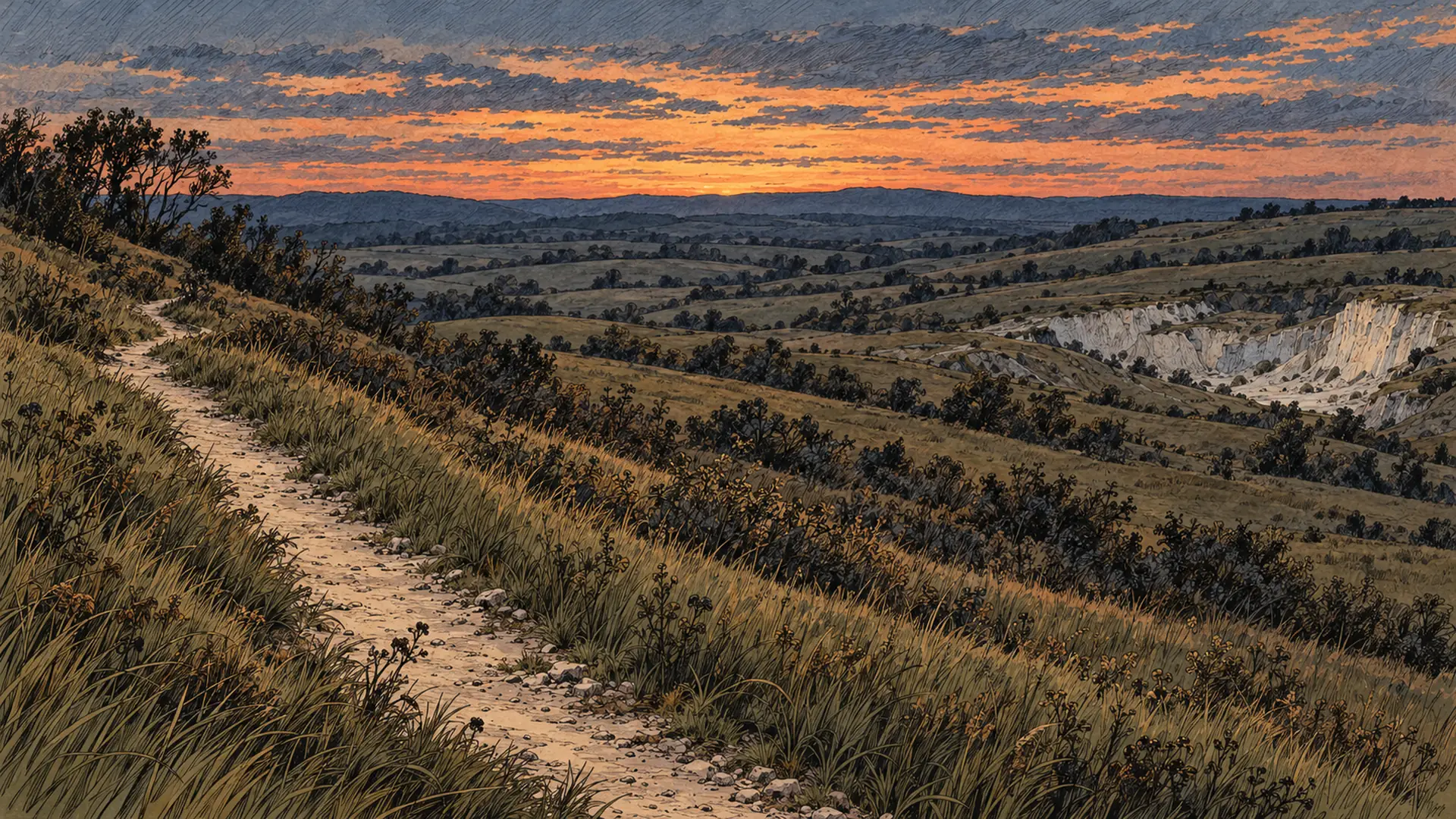
John’s father visits an old military friend and is later found fatally injured in a chalk pit. The authorities rule the death accidental. John finds no direct evidence of murder, yet the earlier warning leaves him convinced that a hidden plot may be involved.
Japanese in this scene
- ように
- ように can express a goal, a desired result, or the manner in which something is done. It often follows a plain-form verb.
- ので
- ので gives a reason in a comparatively explanatory or gentle way: “because; since.”
- 手紙
- 手紙 is used here as noun. In this context it means “letter.”
Full text: original English and Japanese translation
"On the third day after the coming of the letter my father went from home to visit an old friend of his, Major Freebody, who is in command of one of the forts upon Portsdown Hill. I was glad that he should go, for it seemed to me that he was farther from danger when he was away from home. In that, however, I was in error. Upon the second day of his absence I received a telegram from the major, imploring me to come at once. My father had fallen over one of the deep chalk-pits which abound in the neighbourhood, and was lying senseless, with a shattered skull. I hurried to him, but he passed away without having ever recovered his consciousness. He had, as it appears, been returning from Fareham in the twilight, and as the country was unknown to him, and the chalk-pit unfenced, the jury had no hesitation in bringing in a verdict of 'death from accidental causes.' Carefully as I examined every fact connected with his death, I was unable to find anything which could suggest the idea of murder. There were no signs of violence, no footmarks, no robbery, no record of strangers having been seen upon the roads. And yet I need not tell you that my mind was far from at ease, and that I was well-nigh certain that some foul plot had been woven round him.
「手紙が届いて三日目、父はポーツダウン・ヒルの砦の一つを指揮する旧友、フリーボディー少佐を訪ねて家を出ました。屋敷を離れれば危険からも遠ざかるように思えたので、私は父の外出を喜びました。しかし、それは間違いでした。留守にして二日目、すぐに来てほしいと懇願する電報が少佐から届きました。父はあの辺りに多い深い白亜の採掘坑の一つに転落し、頭蓋骨を砕いて意識を失って倒れていたのです。急いで駆けつけましたが、父は一度も意識を取り戻さないまま亡くなりました。どうやら夕暮れにフェアラムから戻る途中だったらしく、不案内な土地で、採掘坑には柵もなかったため、陪審はためらいもなく『事故による死亡』と評決しました。死に関係する事実をどれほど念入りに調べても、殺人を思わせるものは何も見つけられませんでした。暴行の跡も、足跡も、盗難もなく、道で見知らぬ者が目撃された記録もありませんでした。それでも、心がまるで安まらず、何か邪悪な陰謀が父の周りに巡らされていたと、ほぼ確信していたことは、言うまでもありません。