 よみうち英語Read the classics by typing
Notes Scene 25: Watson's Question
You've finished this scene
Notes on this scene
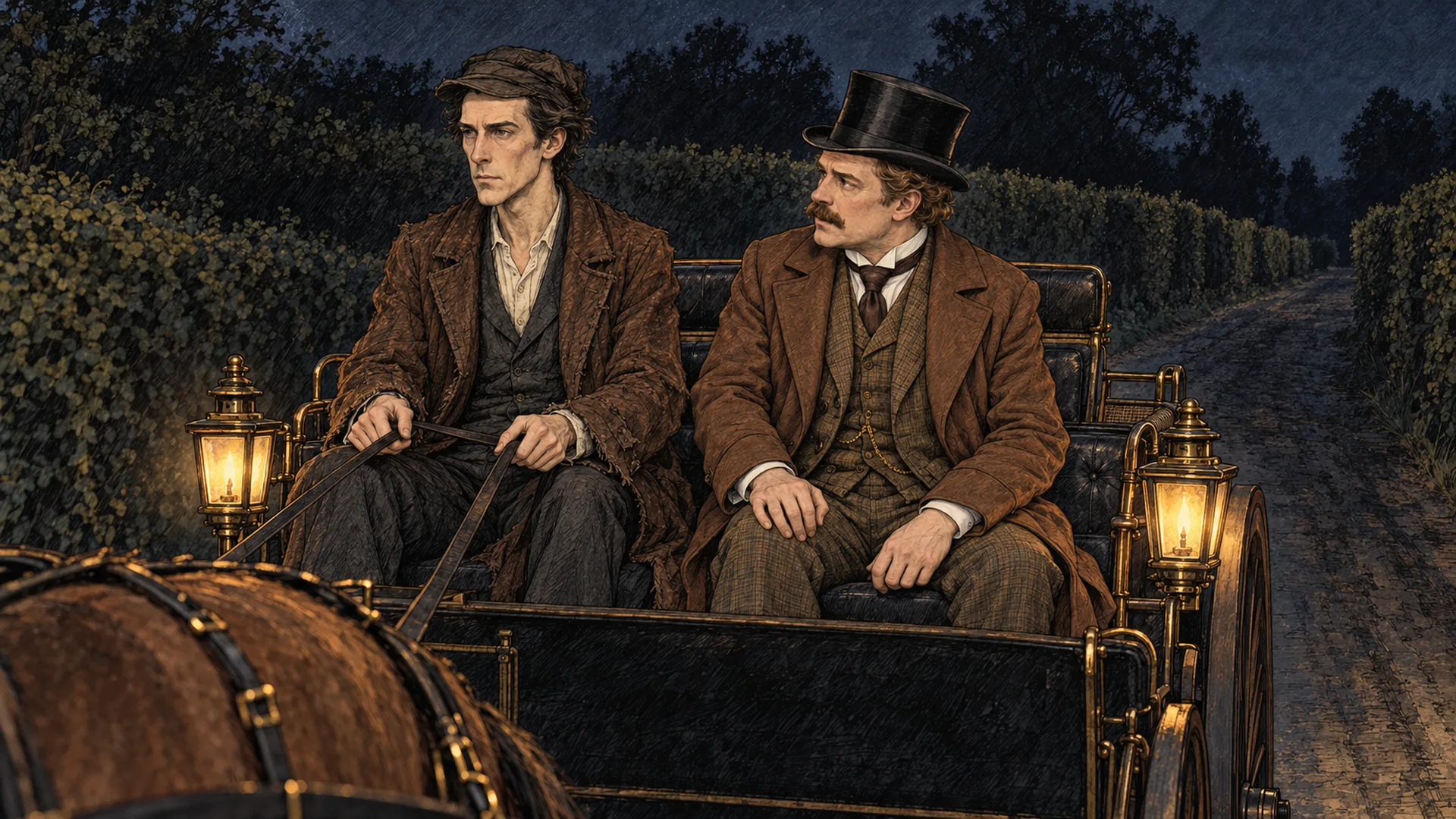
Watson asks what a cripple could do alone against a healthy man. Holmes answers that Boone merely walks with a limp and otherwise appears strong and well nourished. Medical experience, he says, shows that weakness in one limb may strengthen the others.
Japanese in this scene
- 一人で何ができただろう
- This rhetorical question uses だろう to express Watson's doubt that Boone alone could have done anything against a healthy man.
- きみにも分かるだろう
- The particle も means 'you too,' appealing to Watson's medical knowledge; だろう expects his agreement.
- 足を引きずって歩く
- 足を引きずる is the set expression for walking with a limp; it does not imply weakness in the rest of Boone's body.
- どうか、話を続けてくれ
- どうか softens an earnest request, while 〜てくれ is Watson's direct request for Holmes to continue.
Full text: original English and Japanese translation
"But a cripple!" said I. "What could he have done single-handed against a man in the prime of life?"
「でも、足が不自由なんだろう」と私は言った。「働き盛りの男を相手に、一人で何ができただろう」
"He is a cripple in the sense that he walks with a limp; but in other respects he appears to be a powerful and well-nurtured man. Surely your medical experience would tell you, Watson, that weakness in one limb is often compensated for by exceptional strength in the others."
「足を引きずって歩くという意味ではそうだが、ほかの点では力が強く、十分に栄養を取った男に見える。医師としての経験から、きみにも分かるだろう、ワトソン。一つの手足が弱ければ、その分ほかの手足が並外れて強くなることも多い」
"Pray continue your narrative."
「どうか、話を続けてくれ」