 よみうち英語Read the classics by typing
解説 場面 101「御者の記憶」
この場面を読み終えました
この場面の解説
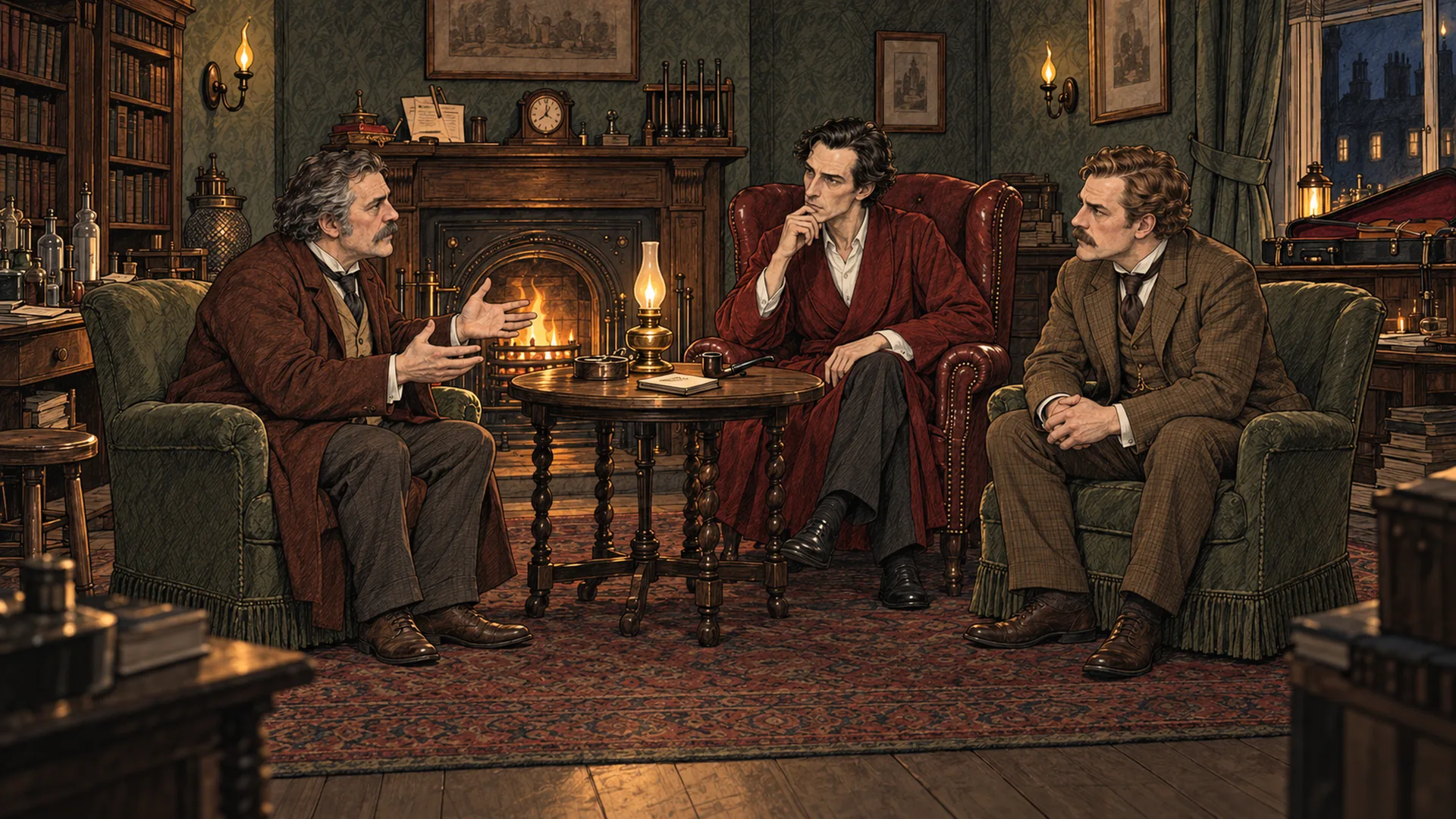
ホームズは今朝の客を見張った乗客について尋ねる。御者は、乗客が自分を探偵だと称し、誰にも話さないよう求めたと説明する。
表現・文法のポイント
- the fare
- fareはここでは運賃ではなく、馬車の乗客。御者に対し、その客の言動を尋ねている。
- there's no good my telling you things
- すでに知っている相手に話しても仕方がない、という御者の反応。my tellingは、自分が話すことをひとまとまりにした形。
全文の対訳
Sherlock Holmes made a note of it.
シャーロック・ホームズはそれを書き留めた。
"Now, Clayton, tell me all about the fare who came and watched this house at ten o'clock this morning and afterwards followed the two gentlemen down Regent Street."
「では、クレイトン、今朝十時にこの家を見張りに来て、その後、二人の紳士をリージェント街まで尾行した乗客について、すべて話してください」
The man looked surprised and a little embarrassed. "Why, there's no good my telling you things, for you seem to know as much as I do already," said he. "The truth is that the gentleman told me that he was a detective and that I was to say nothing about him to anyone."
男は驚き、少し困った顔をした。「いや、私と同じくらいもうご存じのようですから、話しても仕方ありませんね」と男は言った。「実は、あの紳士は自分は探偵だと言い、自分のことは誰にも話さないようにと言ったんです」
"My good fellow; this is a very serious business, and you may find yourself in a pretty bad position if you try to hide anything from me. You say that your fare told you that he was a detective?"
「これは非常に重大な件です。私に何か隠そうとすれば、かなり困った立場になるかもしれません。乗客は、自分が探偵だと言ったのですね?」
"Yes, he did."
「はい」
"When did he say this?"
「いつ、そう言いましたか」
"When he left me."
「降りる時です」